

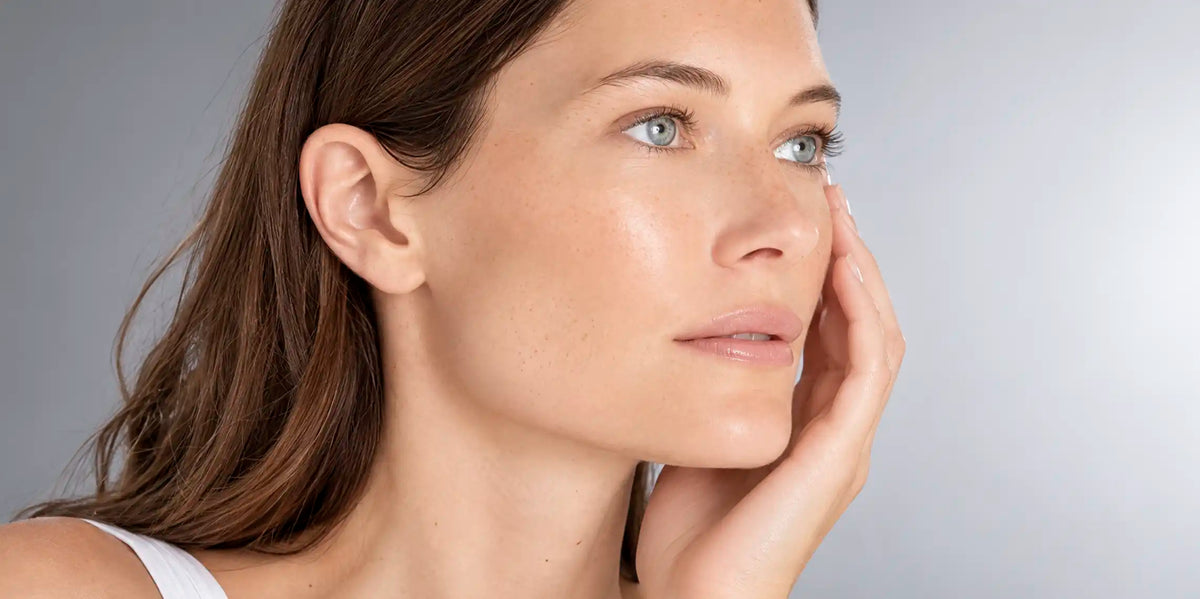
If your skin looks paler than usual, your hair is shedding more or your nails keep breaking, changing your skincare may not be the answer. Iron deficiency could also be a factor – especially if you have been feeling tired.
Iron supports several functions that affect skin, hair and nails. But these changes have other possible causes, so it is worth understanding the symptoms before reaching for a supplement.
Dr Ivy, the Harley Street aesthetics doctor behind the Dr Ivy exosome skincare collection, explains how low ferritin may affect your appearance, what a blood test can tell you and why some skin concerns need a different approach.
What is low ferritin?
“Low ferritin means a low level of iron stores in the body, which can change facial appearance. Iron is very important in many enzymatic and metabolic processes in the skin, hair and nails.” — Dr Ivy
Ferritin is a protein that stores iron. Measuring it helps a clinician understand the body's reserves, rather than simply how much iron happens to be circulating in the blood.
Low ferritin and iron deficiency anaemia are not interchangeable terms. Stores may become depleted before haemoglobin falls enough for anaemia to develop. Iron helps make haemoglobin, which carries oxygen around the body, and has roles in normal metabolism and connective tissue. The NIH guide to iron explains that biology in more detail.
Iron deficiency anaemia can make skin look paler than usual. A dull complexion is less specific and can have several causes; it does not, on its own, mean your iron stores are low.
Signs of iron deficiency in skin, hair and nails
Persistent hair shedding or nail changes are worth checking, particularly if you also feel unusually tired.
The NHS lists paler skin, hair loss, nail changes and sores at the corners of the mouth among possible signs of iron deficiency anaemia. Breathlessness, headaches and palpitations may also occur.
You might notice more hair in your brush or a ponytail that feels thinner. Iron deficiency is one possible cause, but stress, illness, hormonal changes and other forms of hair loss can also increase shedding.
Nails can change shape, including becoming spoon-shaped, while cracking at the mouth corners – known as angular cheilitis – also has several possible causes. Thinning of the outer eyebrows merits its own assessment. None of these details, viewed alone, can confirm low ferritin.
Speak to your GP if these changes persist. They can assess your symptoms and medical history and arrange blood tests where appropriate.
What ferritin levels mean
Ferritin is measured with a blood test. The result needs to be assessed alongside your symptoms and other relevant findings.
“My preferred ferritin range is 50–70 ng/mL when considering skin, hair and nail health. Laboratory reference ranges can be broader, often around 15–150 ng/mL, but a result at the lower end may be associated with fatigue, hair shedding, a dull complexion and brittle nails. A ferritin level of 150 ng/mL can be comfortable for some patients, although every result needs to be assessed individually.”
— Dr Ivy
Ferritin results need to be considered alongside your symptoms and medical history. There is no single target for healthier skin or fuller hair, so speak to your doctor before taking iron supplements. A higher result does not necessarily mean iron overload.
Can low iron cause under-eye hollows or wrinkles?
Correcting an iron deficiency may help symptoms caused by that deficiency. It will not necessarily improve wrinkles, pigmentation or under-eye hollows.
“Sometimes people attribute depletion of the under-eye fat pads and skeletal changes in that area to iron deficiency, but no matter how good the blood work is, the fat pad depletion and hollows are still there.”
Iron replacement should not be expected to restore lost facial volume. Crow's feet, expression lines and persistent pigmentation are not diagnostic signs of iron deficiency. Neither are puffiness, redness or visible vessels.
These concerns need an assessment of their own. A deficiency and a separate skin concern can coexist; treating one does not necessarily resolve the other.
Collagen claims also need care. Iron has biological roles relevant to skin, but a ferritin number cannot tell you how quickly your face is producing collagen or elastin. Nor does it establish that facial skin thinning or a compromised barrier is caused by low iron.
Why iron stores can fall
If a blood test confirms low iron stores, your doctor will also investigate the cause.
“Low ferritin in otherwise healthy women is often connected with heavy menstrual blood loss, insufficient dietary intake, restrictive dieting, high athletic demands or gastrointestinal issues that reduce iron absorption.”
Pregnancy and other sources of blood loss can also affect iron stores. Identifying the cause is an essential part of treatment.
A well-planned vegan or vegetarian diet can provide iron. Your needs, food choices and how well you absorb iron all matter. A registered dietitian can help with meal planning, while your doctor investigates unexplained or recurring deficiency.
Iron-rich foods to include in your diet
Lentils, chickpeas, beans, nuts, dried apricots and iron-fortified cereals can all help you get more iron from your diet. If you eat meat, lean red meat is another source.
“I recommend including a variety of iron-rich foods in your everyday meals. Lentils and beans are easy to add to soups and salads, while nuts and dried apricots make simple snacks. If you eat meat, lean red meat can also contribute to your iron intake.”
— Dr Ivy
A balanced diet supports healthy iron stores, but a confirmed deficiency may need treatment as well. Your doctor can advise whether an iron supplement is necessary.
How long before hair, nails and skin recover?
Changes in hair, skin and nails can take time to improve after treatment.
“If there are symptoms of true iron deficiency reflecting on skin, nails and hair, they can be restored, usually after three to six months once iron reserves are replenished.”
Everyone recovers at their own pace. How quickly you notice a difference depends on what caused the deficiency and how well treatment is working.
Hair can take a little longer to catch up. Your blood results may improve before your hair starts to feel fuller, so give it time – regrowth usually happens over months.
Your doctor may suggest follow-up blood tests to check your progress. If you’re still noticing shedding or other changes, it’s worth checking in again rather than simply taking more iron.
Where exosome skincare belongs
While you work with your doctor to restore your iron levels, keep your skincare simple and consistent.
Dr Ivy’s plant-derived exosome collection makes daily care feel like a little time for yourself. Begin with the Regenerative Exosome Cleanser, follow with the Regenerative Exosome Serum, then finish with the Regenerative Exosome Face Cream. Discover the Dr Ivy collection and find your everyday essentials.
Skincare can care for your complexion, but it won’t replace the treatment you need for low iron. Give both time, and check back with your doctor if changes in your skin, hair or nails persist.
Your low ferritin questions, answered
Can ferritin be low without anaemia?
Yes – your iron stores can run low before anaemia develops. If you’re feeling tired or noticing changes in your hair or nails, your doctor can check ferritin alongside haemoglobin to get a clearer picture.
Could low ferritin be affecting my complexion?
Iron deficiency anaemia can make skin look paler, which may leave your complexion looking less fresh. If this comes with tiredness or increased hair shedding, it’s worth checking your iron levels. Dark circles can have several causes, so understanding what’s behind them helps you choose the right care.
What ferritin level should I aim for?
Dr Ivy suggests 50–70 ng/mL when considering skin, hair and nail health. Your doctor can help you understand what’s appropriate for you, taking your symptoms, blood results and medical history into account.
How can exosome skincare fit into my routine while I address low iron?
Keep your routine simple: cleanse, apply your serum and follow with moisturiser. Dr Ivy’s exosome collection offers a three-step approach to daily skincare while you follow your doctor’s advice to restore your iron stores. Skincare cares for your complexion; iron treatment addresses the deficiency.
Share:
How to Use Exosome Serum: Order, Timing and Layering
What Is a Liquid Facelift? Dr Ivy on Natural-Looking Results