


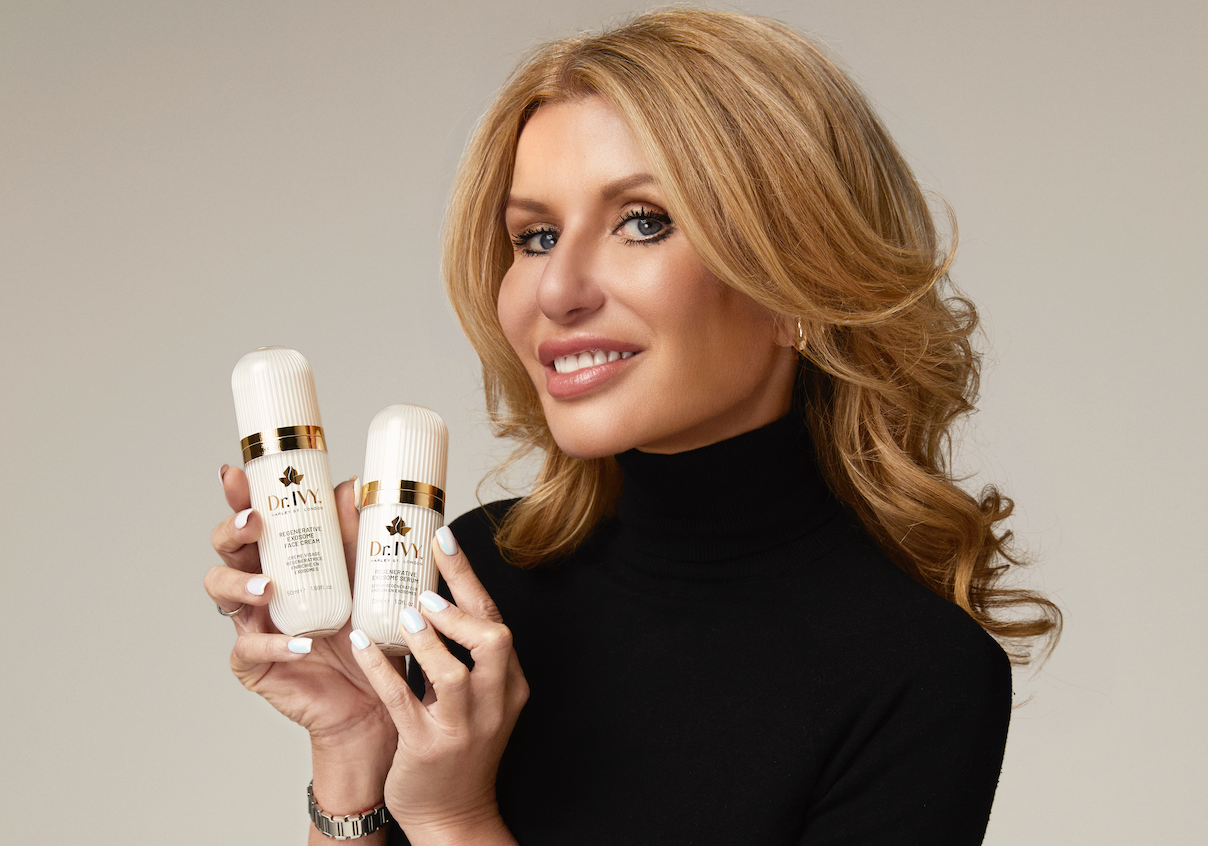
Exosomes vs Retinol: Which Is Right for Your Skin?
By Dr Ivona Igerc (Dr Ivy). Aesthetic practitioner, registered with the GDC, based on Harley Street and founder of Dr Ivy London.
Last updated: July 2026.
Retinol and exosomes are two of the most talked-about ingredients in anti-ageing skincare, and they are often set against each other. They are not the same kind of thing, and the honest answer to "which should I use" depends on your skin rather than on which ingredient is fashionable. Here is how a doctor thinks about the choice.
Exosomes vs retinol: which should I use?
Retinol is the more established, more heavily studied ingredient for fine lines and skin renewal, and for many people it works well. Its trade-off is tolerance: it can cause dryness, flaking and redness. Plant-derived exosomes are a gentler option that suits sensitive skin and can be used alongside retinol or as a retinol alternative when irritation is the problem.
That summary is the short version. The rest of this article explains what each ingredient actually does, who each one suits, whether you can use both, and how to decide.
What retinol does (and why it is so well established)
Retinol is a form of vitamin A. It belongs to a family of ingredients called retinoids, which have been studied in skin science for decades and are among the best-evidenced cosmetic ingredients for the appearance of ageing. That long track record is the main reason dermatologists reach for it so often.
In plain terms, retinol encourages skin cells to turn over more quickly and supports the skin's own collagen. People use it to soften the look of fine lines, smooth texture and even out tone.
The trade-off: tolerance and irritation
The catch with retinol is tolerance. Especially in the first weeks, it commonly causes dryness, flaking, redness and a feeling of sensitivity while the skin adjusts. This settling-in period is well recognised, and it is usually managed by starting at a low strength, using it a few nights a week, and building up slowly.
For many people that adjustment is worth it and the irritation fades. For others, particularly those with sensitive or reactive skin, it never fully settles. That second group is the reason a gentler route matters, and it is where many of our own customers started before they came to us.
Two practical points a doctor will always add. Retinol makes skin more sensitive to sunlight, so a daily SPF is not optional alongside it. And retinol is generally advised against in pregnancy and while breastfeeding, so if that applies to you, speak to your own doctor before using any vitamin A product.
What exosomes do
Exosomes are tiny cellular messengers. In skincare, plant-derived exosomes are used because they carry signals that support the skin's own processes, including collagen and firmness. The Dr Ivy London serum uses exosomes derived from Centella Asiatica, a botanical long valued in skincare for soothing and supporting the skin. To understand the biology in more depth, see our pillar guide: what are exosomes and how do they work in skincare?
Compared with retinol, exosome skincare is a newer category. The independent evidence base is younger and still developing, which is part of what makes exosome science so exciting right now. It is fair to say the research is at an earlier stage than the decades of work behind retinoids, and that is simply the mark of an innovative field moving quickly.
Where exosomes are genuinely appealing is tolerance. They are designed to work with the skin rather than by forcing rapid turnover, which is why they tend to feel gentle and why they suit sensitive skin. The aim is smoother, firmer, healthier-looking skin over a few weeks of consistent use, without the flaking and redness that can come with retinol.
Retinol vs exosomes: side-by-side
| Retinol | Plant-derived exosomes | |
|---|---|---|
| What it is | A form of vitamin A (a retinoid) | Cellular messengers, plant-derived (Centella Asiatica in the Dr Ivy serum) |
| How it works, in plain terms | Speeds up skin cell turnover and supports collagen | Carry signals that support the skin's own collagen and firmness |
| Mainly used for | Fine lines, texture, uneven tone | Firmness, smoothness, overall radiance; a gentle route for sensitive skin |
| Strength of the evidence | Long-established, heavily studied over decades | A newer category; evidence younger and still developing |
| Typical tolerance | Can cause dryness, flaking, redness, especially early on | Designed to be gentle; generally well tolerated by sensitive skin |
| Sun sensitivity | Increases sun sensitivity; daily SPF needed | Safe at all times |
| Pregnancy / breastfeeding | Generally advised against; ask your doctor | Discuss any new product with your own doctor, as with any active |
| Best suited to | People whose skin tolerates it and who want a well-evidenced, established active | People with sensitive skin, or anyone who found retinol too harsh |
This table is a summary, not a verdict. Both columns describe good ingredients. The right one is the one your skin can actually live with.
Who should choose which
Choose retinol if your skin tolerates it well and you want the most established, most studied option for fine lines and texture. If you have used it before without much trouble, there is no reason to switch away from something that works for you. Pairing exosomes with retinol is another effective approach, softening the punch of the retinol while helping to maximise cellular turnover.
Consider exosomes if you have sensitive or reactive skin, or if you have tried retinol and found the dryness, flaking or redness too much to stick with. This is the group we hear from most often.
Either can suit the person who simply wants firmer, smoother, healthier-looking skin and has not committed to a particular ingredient yet. In that case the deciding factor is usually tolerance and how a product feels in your routine day to day.
Sensitive skin: the retinol-alternative question
For sensitive skin this is where the two ingredients separate most clearly. Retinol's irritation is not a flaw in the product, it is part of how a vitamin A active behaves, and for reactive skin that can make it genuinely hard to sustain.
This is the specific situation where plant-derived exosomes work as a retinol alternative. Not because they are being claimed as stronger or as a like-for-like swap, but because they offer a gentler path to firmer, smoother skin for people whose skin cannot comfortably tolerate retinol. If retinol has been a cycle of starting, flaking and stopping for you, a gentler regenerative approach is a reasonable next thing to try.
Can you use both retinol and exosomes together?
Yes, many people do, and the two can complement each other rather than compete. A common and sensible approach is to use exosomes to support and calm the skin while using retinol at a lower frequency, so you keep the benefits of a well-established active while easing the irritation that makes people give it up.
A simple, cautious way to combine them:
- Introduce one new active at a time so you can tell how your skin responds to each.
- Keep retinol to the evening, and build its frequency up slowly rather than all at once.
- Use a plant-derived exosome serum morning and night to support firmness and comfort.
- Do not layer several strong actives on the same night while your skin is still adjusting.
- Wear a daily SPF, which matters more once retinol is in your routine.
If you have a skin condition, are pregnant or breastfeeding, or are already using prescription retinoids, check any new routine with your own doctor or a suitably qualified skincare professional before you start.
The doctor's take
I do not think this is a contest, and I would be cautious of anyone who tells you one ingredient simply beats the other. Retinol is well established and well evidenced, and for skin that tolerates it, it earns its reputation. Plant-derived exosomes are a newer, gentler option, and their real strength is for the many people whose skin cannot settle with retinol.
If your skin copes with retinol, there is no need to abandon it, and combining it with exosomes is a brilliant move. If it does not, you are not out of options, and a gentle regenerative serum is a sensible route to firmer, smoother skin. What matters most is consistency and choosing something you can actually keep using, which is exactly why tolerance sits at the centre of this decision.
Frequently asked questions
Are exosomes better than retinol?
Think different, not better. Retinol is the well-studied heavyweight that works beautifully for many. Plant-derived exosomes offer a gentler route, ideal for sensitive skin. And the best ingredient is always the one your skin loves and you will use consistently.
Can I use exosomes instead of retinol?
Yes. For sensitive or reactive skin, plant-derived exosomes are a reasonable retinol alternative, offering a gentler route to firmer, smoother-looking skin. If retinol has always irritated your skin, using exosomes on their own is a sensible approach.
Are exosomes good for sensitive skin?
Plant-derived exosomes are designed to be gentle and are generally well tolerated, which is why they suit sensitive skin. As with any new skincare, introduce one product at a time, and speak to your own doctor if you have a specific skin condition.
Is retinol bad for your skin?
No. Retinol is a well-studied ingredient with a long track record. Its main drawback is tolerance: it can cause dryness, flaking and redness, especially in the first few weeks. That is manageable for many people by starting slowly, and it is the main reason some prefer an efficient alternative.
Can you use retinol and exosomes together?
Yes. Many people use a plant-derived exosome serum to support and calm the skin while using retinol at a lower frequency. Introduce one active at a time, keep retinol to the evening, and use a daily SPF.
How long until I see results?
Skincare works gradually. With consistent use of a plant-derived exosome serum, the aim is smoother, firmer, healthier-looking skin over a few weeks. Retinol also takes several weeks, and results build with continued use rather than overnight.
Share:
Do Exosome Serums Actually Work? A Doctor's View
Sun Spots and Age Spots: How to Prevent and Manage Them at Home